Psychometric performance of the ultra-short version of the post-traumatic growth inventory in Peruvian adults during the Post-Pandemic: Analysis from Item Response Theory and SEM models
Rendimiento psicométrico de la versión ultracorta del inventario de crecimiento postraumático en adultos peruanos durante la pospandemia: análisis a partir de la teoría de respuesta al ítem y modelos SEM.
 ,
Samy L. Huerta
2,
Rose Barbaran-Alvarado
2,
Aaron Travezaño-Cabrera
3,
Julisa Quiroz-Becerra
3,
María Calizaya-Anahua
3,
Estefany Rojas-Mendoza
2,
Vaneryn Alania-Marin
2,
,
Samy L. Huerta
2,
Rose Barbaran-Alvarado
2,
Aaron Travezaño-Cabrera
3,
Julisa Quiroz-Becerra
3,
María Calizaya-Anahua
3,
Estefany Rojas-Mendoza
2,
Vaneryn Alania-Marin
2,
Abstract
Objective: This study aimed to study the psychometric functioning of the ultra-short version of the Posttraumatic Growth Inventory through the Item Response Theory (IRT) and evaluate the Differential Item Functioning (DIF). Method: 404 Peruvian adults of both sexes (65.8% women and 34.2% men) between 18 and 58 years (M = 24.3, SD = 7.9) participated. The Brief Resilient Coping Scale and the General Well-being Index (WHO-5) were also applied. Results: All the items present adequate discrimination and difficulty indices. Also, it was found that item 1 presents DIF between the group of men and women. On the other hand, it was found that resilience significantly predicts posttraumatic growth (.50; p < .01) and, in turn, posttraumatic growth significantly predicts psychological well-being (.40; p < .01). Conclusions: The ultra-short version shows adequate psychometric functioning and is, therefore, a helpful tool that allows obtaining valid and reliable interpretations of posttraumatic growth.
Keywords: Post Traumatic Growth Inventory (PTGI); Item Response Theory; Differential Item Functioning (DIF); Resilience; Psychological well-being
Resumen
Objetivo: este estudio fue analizar el funcionamiento psicométrico de la versión ultracorta del Inventario de Crecimiento Postraumático mediante la Teoría de Respuesta al Ítem (IRT) y evaluar el Funcionamiento Diferencial del Ítem (DIF). Método: Participaron 404 adultos peruanos de ambos sexos (65,8 % mujeres y 34,2 % hombres) de entre 18 y 58 años (M = 24,3, SD = 7,9). También se aplicaron la Escala Breve de Afrontamiento Resiliente y el Índice de Bienestar General (WHO-5). Resultados: Todos los ítems presentan índices adecuados de discriminación y dificultad. Además, se encontró que el ítem 1 presenta DIF entre el grupo de hombres y mujeres. Por otro lado, se encontró que la resiliencia predice significativamente el crecimiento postraumático (.50; p < .01) y, a su vez, el crecimiento postraumático predice significativamente el bienestar psicológico (.40; p < .01). Conclusiones: La versión ultracorta muestra un funcionamiento psicométrico adecuado y, por lo tanto, es una herramienta útil que permite obtener interpretaciones válidas y fiables del crecimiento postraumático.
Palabras Clave: Inventario de Crecimiento Postraumático (PTGI); Teoría de Respuesta al Ítem; Funcionamiento Diferencial del Ítem (DIF); Resiliencia; Bienestar psicológico.
1. INTRODUCTION
More than 756 million cases of Covid-19 have been confirmed globally, including 6.8 million deaths (World Health Organization, 2023). In Peru, more than 4 million cases and more than 219,000 deaths have been reported (Ministerio del Salud (Minsa), 2023). Figures had grown since 2020, when COVID-19 was declared a global pandemic (Huang et al., 2020). Since then, different measures have been taken, such as mandatory social isolation, which brought the loss of jobs, especially in the informal and unorganized sectors. All of this had a negative impact on people's mental health (Kumar & Nayar, 2020; Salari et al., 2020).
In this regard, a study conducted in China on 1,210 people found that 54% rated the psychological impact caused by COVID-19 as moderate or severe, 29% reported moderate to severe anxiety symptoms, and 17% reported depressive symptoms moderate to severe, and 8.1% reported moderate to severe levels of stress from COVID-19 (Wang et al., 2020). In turn, a longitudinal study conducted in the United States highlighted the significant increase in the number of people with depression during the COVID-19 pandemic (Daly et al., 2021). Another study carried out in the same country found that, during the pandemic, people reported mental health problems, such as anxiety (33%), consumption of psychoactive substances (11.9%), suicidal ideation (43.1%), and symptoms related to trauma and stress from COVID-19. The study also found that the impact of the pandemic was greatest in adults under the age of 65 (Czeisler et al., 2021).
Concerning this group, a study in Spain adults showed that 18.7% presented depressive symptoms, 21.6% anxiety, and 15.8% post-traumatic stress disorder (González-Sanguino et al., 2020). In Peru, 30.9% of surviving adult patients of COVID-19 presented depressive symptoms, 31.1% anxious symptoms, 31.1% somatic symptoms, and 29.5% symptoms of post-traumatic stress disorder (Huarcaya-Victoria et al., 2021). Similarly, a systematic review of 43 studies found that adult patients with COVID-19 showed higher levels of depression and post-traumatic stress disorder. Higher levels of psychiatric symptoms were reported among health workers, and a decrease in psychological well-being was observed in the adult population (Vindegaard & Benros, 2020).
Other studies also found that younger adults experienced higher levels of depression and stress (Padrón et al., 2021; Wan Mohd Yunus et al., 2021). A reduction in the social interaction of young people was also associated with a greater presence of mental health problems (Wilder-Smith & Freedman, 2020). Other factors associated with higher education, such as remote learning, new forms of assessment, concern for academic performance, and the forced termination of pre-professional internships, also harmed the mental health of young people (Baloch et al., 2021; Bourion-Bedes et al., 2021; Jiang, 2020; Vilca et al., 2022). On the other hand, a systematic review study also identified that having family members or friends infected with COVID-19, financial uncertainty, worsening family conflict, and restrictions on social contact were the most stressful factors in the adult population (Cielo et al., 2021).
For all these reasons, the young adult population was among the most vulnerable groups during the COVID-19 pandemic. However, protective factors have also been found in the face of the pandemic, such as spiritual well-being, which has been shown to reduce the psychological impact of COVID-19 (Lucchetti et al., 2021). In the same way, it has been shown that emotional intelligence, emotional regulation, and attributed optimism are protective factors for mental health and reduce the risk of post-traumatic stress (Castro & Dueñas, 2022; Persich et al., 2021). Additionally, a healthy lifestyle and psychological resources such as self-care are important to promote overall health improvement and thus reduce adverse pandemic effects (Bermejo-Martins et al., 2021; Tavakol et al., 2023). Similarly, youth with high levels of resilience have shown higher levels of coping, conflict resolution, and less concern about COVID-19 (Barzilay et al., 2020; Morales‐Rodríguez, 2021).
Post-traumatic growth is another important factor that makes it possible to reduce the impact and sequelae of the pandemic in young people since it favors reflective thinking and cognitive regulation (García et al., 2022). A study conducted on discharged patients with COVID-19 showed that post-traumatic growth is positively related to self-esteem, coping style, and social support (Yan et al., 2021). Another study found that it is also associated with personality, self-perceived health, and educational level (Feng et al., 2022). In summary, more than twenty-five studies have studied post-traumatic growth during the pandemic, and in most cases, they were carried out in the adult community population (Landi et al., 2022).
In this context, it is important to have a reliable and valid instrument that measures post-traumatic growth to accurately demonstrate the positive changes that arise in the person from an adverse experience. One of the most widely used instruments to measure this construct is the Post Traumatic Growth Inventory (PTGI). The original instrument has 21 items that evaluate five factors: (1) more intimate relationships with others, (2) recognition of new possibilities, (3) a greater sense of personal strength, (4) spiritual development, and (5) a greater appreciation of life (Tedeschi & Calhoun, 1996). The psychometric properties of the PTGI in the original study proved adequate, as all five factors achieved a total cumulative variance of 62% in the Exploratory Factor Analysis. Regarding internal consistency, the scale demonstrated adequate global internal consistency indices (α = .90) and test-retest reliability (r = .71) (Tedeschi & Calhoun, 1996).
PTGI was adapted to several countries such as Australia (Bates et al., 2004), Spain (Weiss & Berger, 2006), the Netherlands (Jaarsma et al., 2006), Iran (Heidarzadeh et al., 2017), Turkey (Wen et al., 2020), Israel (Taubman-Ben-Ari et al., 2011), Slovenia (Jozefiaková et al., 2022) and Mexico (Penagos-Corzo et al., 2020). Also, its psychometric properties were studied in different populations and contexts, such as cancer patients (Heidarzadeh et al., 2017; Jaarsma et al., 2006), war veterans (Kaler et al., 2011), those affected by natural disasters (García & Wlodarczyk, 2016; Penagos-Corzo et al., 2020), divorced (Lamela et al., 2014), mothers (Taubman-Ben-Ari et al., 2011), refugees (Wen et al., 2020) and university students during the COVID-19 pandemic (Garrido-Hernansaiz et al., 2022).
A short version of ten items was developed from the original scale, demonstrating adequate fit indices (χ²(25) = 200.42, p < 0.001, AIC =280.42, NFI = .96, CFI = .97, TLI = .94, and RMSEA = .07) (Cann, Calhoun, Tedeschi, Taku, et al., 2010). In addition, the dimensions presented adequate levels of internal consistency (α = .68 to .80). The short version has also been adapted in different contexts such as Iran (Amiri et al., 2020), Chile (García & Wlodarczyk, 2016), Portugal (Lamela et al., 2014), Spain (Garrido-Hernansaiz et al., 2022) and Iraq (Kaler et al., 2011).
In the same way, in Colombia, a study developed the ultra-short version of five items, which measures the five previously mentioned factors (Gómez-Acosta et al., 2023). This version has shown adequate fit indices (χ2/gl = 4.51; SRMR = .04; RMSEA = .06; CFI = .99, TLI = .98), internal consistency (ω = .79), convergent validity (depression r = .304; anxiety r = .223), and factorial invariance according to sex (Gómez-Acosta et al., 2023). However, the ultra-short version still requires more psychometric evidence in a Spanish-speaking context, making it necessary to analyze the items based on the Item Response Theory (IRT). About this, IRT has three fundamental advantages to evaluating the performance of the ultra-short version (Zanon et al., 2016): (a) Invariance of the item parameters, that is, the item parameters do not vary, even if the people who answer are different, (b) Invariance of the parameter of the evaluated trait concerning the instrument used for its estimation. That is to say, the skill level of the person does not depend on the test, and (c) It provides local measures of precision through the Item Information Curve (IIC) and the test (TIC). These characteristics allow us to know in detail the area in which the trait measured by the test is being measured best. In other words, it allows us to know for which level of the trait the instrument is best designed. In addition, it allows studying the Differential Item Functioning between groups. All of this allows for more reliable comparisons between those evaluated.
For these reasons, this study has the following objectives: (a) Determine the psychometric functioning of the items from the IRT perspective, (b) Evaluate the Differential Item Functioning (DIF), and (c) Evaluate the relationship of the ultra-short version with other instruments, through SEM analysis.
2. METHODS
Participants
For data collection, a non-probabilistic convenience sampling was used, and the following inclusion criteria were used: (a) being of legal age (≥ 18), (b) knowing how to read and write, (c) giving informed consent, and (d) being of Peruvian nationality. Table 1 shows that 404 Peruvian adults of both sexes (34.2% male and 65.8% female) between 18 and 58 years (M = 24.3, SD = 7.9) participated in the study. Table 1 also shows that the majority come from the coast (56.7%), are single (84.2%), and have completed university studies (60.1%). In addition, it is observed that most participants have had Covid-19 (55.7%), and a relative or friend has also had Covid-19 (86.1%).
Table 1: Sociodemographic data of the participants
| Categories | n | % |
|---|---|---|
| Age (M ± SD) | 24.3 | 7.89 |
| Sex | ||
| Female | 266 | 65.8% |
| Male | 138 | 34.2% |
| Region of origin | ||
| Coast | 229 | 56.7% |
| Mountain range | 116 | 28.7% |
| Jungle | 59 | 14.6% |
| Civil status | ||
| Married | 59 | 14.6% |
| Divorced | 1 | .2% |
| Single | 340 | 84.2% |
| Widower | 4 | 1% |
| Educational level | ||
| Incomplete primary | 1 | .2% |
| Completed secondary | 54 | 13.4% |
| Incomplete secondary | 4 | 1% |
| Completed technician | 22 | 5.4% |
| Incomplete technician | 13 | 3.2% |
| Complete university | 67 | 16.6% |
| Incomplete university | 243 | 60.1% |
| Occupation | ||
| Unemployed | 20 | 5% |
| Retired | 3 | .7% |
| Student | 267 | 66.1% |
| Permanent job | 48 | 11.9% |
| Temporary job | 66 | 16.3% |
| Had Covid-19 | ||
| Yes, I had Covid-19 | 225 | 55.7% |
| No, I had Covid-19 | 179 | 44.3% |
| Family and friends had Covid-19 | ||
| Yes, they had | 348 | 86.1% |
| No, they did not have | 56 | 13.9% |
Measures
The ultra-short version of the Posttraumatic growth inventory
For the study, the version adapted to the Spanish-speaking population was used (Gómez-Acosta et al., 2023). The factorial structure of the ultra-short version is one-dimensional and consists of five items that have six response categories: (0) I did not experience this change, (1) I experienced a very slight change, (2) I experienced a slight change, (3) I experienced a moderate change, (4) I experienced a major change and (5) I experienced this change to a great extent. The ultra-short version presents a range of values between 0 and 25 points. In addition, the ultra-short version does not present inverse items; therefore, a higher score would show a greater presence of post-traumatic growth. Regarding its psychometric properties, in the Spanish-speaking population, the one-dimensional model presented adequate data fit indices (CFI = .988; TLI = .977; RMSEA = .058, SRMR = .044) and adequate internal consistency values (ω = .79).
WHO-5 well-being index (WHO-5)
In this study, the version adapted to Peru was used to evaluate aspects related to subjective well-being (Caycho-Rodríguez et al., 2020). The scale is made up of five items that have four response categories: (0) never, (1) sometimes, (2) often, and (3) always. The instrument presents a range of values between 0 and 15 points. In addition, the scale does not present inverse items; therefore, a higher score would show a higher level of well-being. Regarding its psychometric properties, in the version adapted to Peru, the one-dimensional model presented adequate fit indices to the data (CFI = .994, RMSEA = .053, SRMR = .018) and adequate internal consistency values (ω = .76) (Caycho-Rodríguez et al., 2020).
Brief Resilient Coping Scale
For the study, the version adapted to Peru was used to measure the resilience level (Caycho-Rodríguez et al., 2018). The scale is made up of four items that have five response categories: (1) Strongly disagree, (2) Disagree, (3) Neither disagree nor agree, (4) Agree, and (5) Strongly agree. The instrument presents a range of values between 1 and 20 points. In addition, the scale does not present inverse items; therefore, a higher score would show a higher level of resilience. Regarding its psychometric properties, in the version adapted to Peru, the one-dimensional model presented adequate data fit indices (CFI = .995, RMSEA = .073, SRMR = .016) and adequate internal consistency values (α = .87; ω = .88).
Procedure
Before collecting the data, the study was evaluated and approved by the Center for Research and Innovation in Health (CIISA) ethics committee of the Universidad Peruana Unión (2022-CE-FCS - UPeU-041). Furthermore, informed consent was used in the present study to guarantee the voluntary participation of people. Also, the present study complied with the standards established by the Declaration of Helsinki (World Medical Association, 2013).
A virtual form was used to collect data using the Google Forms digital platform. The form comprises three parts: (a) In the first part, the informed consent was presented, where the study's objectives, anonymity, and confidentiality of the data were explained. (b) In the second part, questions were presented to collect information about the sociodemographic data of the participants. (c) Thirdly, the items of the instruments used in the study were presented. The form was configured so that only people who gave informed consent could proceed with the following parts. The virtual form was shared on social networks such as Facebook, WhatsApp, and Instagram. The average time it took participants to answer the form was 20 minutes.
Data Analysis
In Content-Based Validity, five psychologists participated and evaluated the scale using four criteria: (a) relevance, (b) representativeness, (c) clarity, and (d) context of the items. The Aiken V coefficient was used to quantify the responses (Aiken, 1980), and an ad hoc program in MS Excel© format was used to calculate it (Ventura-León, 2019). Twenty adults from the target population then rated the items for clarity.
In the Item Response Theory, the fulfillment of the main assumptions was first evaluated to work with the IRT. A Confirmatory Factor Analysis (CFA) estimated a unidimensional model to verify the one-dimensionality assumption. The MLR estimator and the following adjustment indices were used: RMSEA (< .08), SRMR (< .08), CFI (> .95), and TLI (> .95) (Kline, 2015; Schumacker & Lomax, 2015). The dynamic cut-point approach was also used to assess the model's fit (McNeish & Wolf, 2021, 2022). Regarding the assumption of local independence of the items, the G2 index was used (Chen & Thissen, 1997), specifically Cramer's V coefficient, which takes values between -1 and 1(Chalmers, 2012). A large absolute value indicates a potential case of local dependency (Paek & Cole, 2020). Compliance with the monotonicity assumption was also inspected using the raw residual plots (Wells & Hambleton, 2016).
A Graded Response Model was used to estimate the IRT model (Samejima, 1997), specifically an extension of the 2-parameter logistic model (2-PLM) for ordered polytomous items (Hambleton et al., 2010). The C2 test developed for ordinal items was used to estimate the fit of the model (Cai & Monroe, 2014), and the following fit criteria were used: RMSEA ≤ .06 (Maydeu-Olivares & Joe, 2014) and SRMSR ≤ .05 (Maydeu-Olivares, 2013). The CFI and TLI values were also taken into account using the same adjustment criteria (≥ .95) used in SEM models (Lubbe & Schuster, 2019). The generalized S-X2 index was used to assess the fit of the items, and its corresponding RMSEA was used to measure effect size (Kang & Chen, 2011).
In the GRM models, two parameters were estimated: discrimination and difficulty. The discrimination parameter determines the slope at which item responses change depending on the level of the latent trait, and the item difficulty parameters determine how much of the latent trait the item requires to be answered. As the scale has six response categories, there are five difficulty estimates, one per threshold. The estimates for these five thresholds indicate the latent variable level at which an individual has a 50% chance of scoring at or above a particular response category. The following graphs representing item and test performance for each latent trait were also calculated: Item Characteristic Curve (ICC), Test Characteristic Curve (TCC), Item Information Curve (IIC), and Test Information Curves (TIC).
The Likelihood Ratio approach for ordinal items was used to evaluate the Differential Item Functioning (DIF) according to the participants' country (Paek & Cole, 2020). Under this approach, two models were estimated: (a) a No-DIF model, where all item parameters are invariant between groups. (b) Another DIF model, where item parameters may be unequal between groups. The No-DIF (reduced model) and DIF (full model) models were compared using the log-likelihood ratio test with the ANOVA function to test for possible differences in item parameters between groups. In this comparison, the null hypothesis establishes that there is no DIF; the item parameters are the same between the groups. A p-value < .05 was used to reject the null hypothesis. Finally, a Structural Equations Model (SEM) was proposed to evaluate the ultra-short version's relationship with other scales. The MLR estimator was used to estimate the model, and the same adjustment indicators made in the CFA were taken into account.
To estimate the GRM model and the DIF analysis, the "mirt" and "ltm" packages were used (Chalmers, 2012; Rizopoulos, 2006). The "lavaan" package (Rosseel, 2012) was used to estimate the CFA and SEM model. The "dynamic" package was used to estimate the dynamic cut-off points (Wolf & McNeish, 2023). The RStudio environment (RStudio Team, 2018) for R (R Core Team, 2019) was used in all cases.
3. RESULTS
Content-Based Validity
In this study, good values were found in the criteria of clarity, relevance, and context (V>.70). Likewise, adjustments were made based on the judges' recommendations in item 3. In addition, the evaluation carried out by the target population showed that the items were clear and understandable.
Descriptive Analysis
It can be seen in Table 2 that most of the participants reported moderate changes as a result of the pandemic in the spiritual areas (M = 3.02) and personal beliefs (M = 3.14). On the other hand, most of the participants reported minor changes in their relationships with others (M = 2.87). Table 2 also shows that all the response categories of the items were answered. Regarding the asymmetry and kurtosis indices, it is observed that the items present values within the expected parameters (As < ±2; Ku < ±7) (Finney & DiStefano, 2006).
Table 2: Descriptive analysis of the items, response rate of the items and factorial weights
| Indicators | Itemsa | M | SD | g1 | g2 | Min | Max | λ |
|---|---|---|---|---|---|---|---|---|
| Appreciation of life | 1. Aprecio más el valor de mi propia vida [I appreciate more the value of my own life] | 2.97 | 1.55 | -.51 | -.84 | 0 | 5 | .72 |
| Spiritual changes | 2. Tengo una mejor comprensión de algunas cuestiones espirituales [I have a better understanding of some spiritual issues] | 3.02 | 1.54 | -.54 | -.79 | 0 | 5 | .76 |
| Relationship with others | 3. Me siento más cercano a los demás [I feel closer to others] | 2.87 | 1.56 | -.38 | -1.01 | 0 | 5 | .77 |
| New possibilities | 4. He construido un nuevo rumbo o caminos de vida [I have built a new course or paths of life] | 2.92 | 1.51 | -.46 | -.87 | 0 | 5 | .77 |
| Personal beliefs | 5. Descubrí que era más fuerte de lo que en realidad pensaba [I found out I was stronger than I actually thought] | 3.14 | 1.49 | -.69 | -.49 | 0 | 5 | .76 |
Note. M = Medium; SD = Standard deviation; g1 = Asymmetry; g2 = Kurtosis; a = Simple translation, for study purposes only
Item calibration with the GRM (2-PML)
The assumption of one-dimensionality was evidenced through a CFA. The study found that the one-dimensional model presented adequate fit indices to the data (χ2 = 9.10; df = 5; p = .105; CFI = .99; TLI = .98; SRMR = .019; RMSEA = .058 [IC90% .000 ‒ .118]). In addition, using the dynamic cutoff points, evidence was found that the one-dimensional model is close to what is acceptable since the empirical indices of SRMR (.019) and RMSEA (.071) are lower than the specification error cutoff point from level 2 (SRMR = .019; RMSEA = .124). Also, the empirical CFI index (.988) is higher than the level 2 specification error cutoff (CFI = .969). It is important to mention that the factorial weights of all the items were high (see Table 2). All this shows evidence in favor of a one-dimensional model in the data. Regarding the assumption of local independence, the standardized values of Cramer's V of the items ranged from -.222 to .206, confirming the assumption of local independence. Furthermore, the raw residual plots for the items do not show a strong deviation from monotonicity.
A Gradual Response Model (GRM) was used to estimate the models, specifically an extension of the 2-parameter logistic model (2-PLM) for ordered polytomous items. The estimated GRM model showed adequate fit indices (C2[df] = 16.62[5]; p = .001; RMSEA = .075; SRMSR = .047; TLI = .98; CFI = .99). In addition, it can be seen in Table 3 that most of the items present non-significant p values (p > .05). Furthermore, all items show small RMSEA values (<.043). Therefore, it can be affirmed that the items present adequate fit indices in the GRM model.
Regarding the parameters of the GRM model, Table 3 shows that the discrimination parameters of all the items are above the value of 1.35, which is generally considered a high level of discrimination (Baker, 2001). Regarding the difficulty parameters, all estimators of the thresholds increased monotonically. A greater presence of the latent trait is required to answer the higher response categories.
Table 3: Parameters of the GRM model items
| Item | Item Parameter | Item fit indices | |||||||
|---|---|---|---|---|---|---|---|---|---|
| a | b1 | b2 | b3 | b4 | b5 | S_X2 | RMSEA | p-value | |
| 1 | 2.21 | -1.63 | -1.02 | -.47 | -.08 | 1.32 | 77.15 | .043 | .001 |
| 2 | 2.42 | -1.67 | -.97 | -.53 | .11 | 1.16 | 56.09 | .027 | .087 |
| 3 | 2.38 | -1.61 | -.86 | -.34 | .22 | 1.30 | 41.52 | .000 | .492 |
| 4 | 2.72 | -1.62 | -.93 | -.41 | .17 | 1.31 | 64.10 | .039 | .009 |
| 5 | 2.56 | -1.62 | -1.13 | -.58 | .02 | 1.13 | 49.20 | .021 | .207 |
Note. a= discrimination parameters; b= difficulty parameters
Figure 1: shows that the response categories of the items are monotonically related to the levels of post-traumatic growth. As one moves from left to right in the ICCs, the probability of choosing a response category increase and then decreases as responses move to the next higher category.
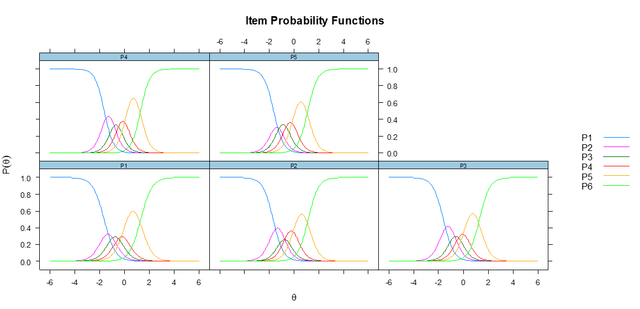
Figure 1. Item Characteristic Curve of the ultra-short version of the Posttraumatic Growth Inventory
Figure 2 shows a strong increase in the total scores of the scale as the real level of post-traumatic growth increases. On the other hand, Figure 3 shows the Item Information Curve and the Test (IICs and TIC, respectively). In the IIC, items 4 and 5 are the most accurate on the scale to assess the latent trait. In addition, the ICT shows that the test is more reliable (accurate) in the scale range between -2 and 2.
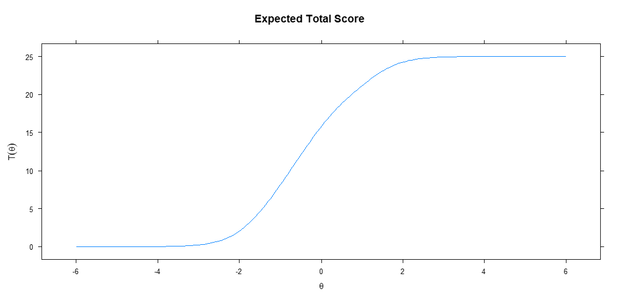
Figure 2. Test Characteristic Curve of the ultra-short version of the Posttraumatic Growth Inventory

Figure 3. Item and Test Information Curves for the ultra-short version of the Posttraumatic Growth Inventory
Differential Item Functioning (DIF)
Table 4 shows the differential analysis of the items between men and women. It is observed that item 1 presents a differential functioning between both groups (p = .001), where this item has greater discriminative power for the group of women. This difference can also be observed in the ICC of the item between both groups (see Figure 4). For the other items, the ANOVA analysis shows no presence of DIF.
Table 4: Differential Item Functioning
| Item | Female | Male | AIC | SABIC | BIC | χ2 | df | p | ||||||||||
|---|---|---|---|---|---|---|---|---|---|---|---|---|---|---|---|---|---|---|
| a | b1 | b2 | b3 | b4 | b5 | a | b1 | b2 | b3 | b4 | b5 | |||||||
| 1 | 2.46 | -1.62 | -1.04 | -.50 | .04 | 1.44 | 1.40 | -2.20 | -1.31 | -.53 | .24 | 1.53 | 5953.21 | 5984.68 | 6105.27 | 14.74 | 6 | .022 |
| 2 | 2.44 | -1.71 | -1.00 | -.55 | .07 | 1.31 | 1.77 | -2.11 | -1.21 | -.63 | .25 | 1.26 | 5959.83 | 5991.31 | 6111.88 | 8.13 | 6 | .229 |
| 3 | 2.25 | -1.88 | -.95 | -.35 | .25 | 1.44 | 2.02 | -1.56 | -.88 | -.41 | .23 | 1.43 | 5962.99 | 5994.47 | 6115.04 | 4.96 | 6 | .548 |
| 4 | 2.26 | -1.79 | -1.11 | -.48 | .23 | 1.56 | 3.08 | -1.72 | -.84 | -.39 | .08 | 1.24 | 5960.29 | 5991.76 | 6112.34 | 7.67 | 6 | .263 |
| 5 | 2.30 | -1.76 | -1.28 | -.62 | .01 | 1.22 | 2.34 | -1.86 | -1.18 | -.65 | .07 | 1.32 | 5965.86 | 5997.33 | 6026.05 | 2.1 | 6 | .910 |

Figure 4. Item Characteristic Curve with DIF of the ultra-short version of the Posttraumatic Growth Inventory
Validity based on the relationship with other variables
Considering the literature review, an SEM model was proposed to evaluate the impact of resilience on post-traumatic growth and, in turn, the impact of post-traumatic growth on the level of psychological well-being. It was evidenced that the structural model presents adequate adjustment indices (χ2 = 171.09; df = 75; p < .01; RMSEA = .065[IC90% .052 ‒ .078]; CFI = .96; TLI = .95). Also, the measurement models are adequately represented by their items since the factorial weights are high in the factor that corresponds to them (see Figure 5). Figure 5 shows that resilience significantly predicts post-traumatic growth (.50; p < .01). In addition, post-traumatic growth significantly predicts the level of psychological well-being (.40; p<.01).
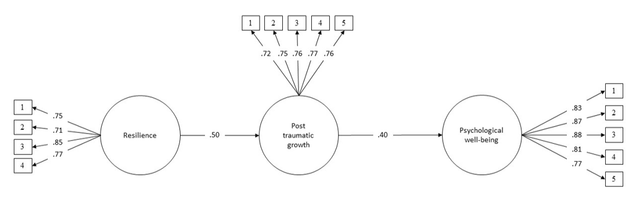
Figure 5. SEM model of Post Traumatic Growth
4. DISCUSSION
In contexts of difficulty and crisis, such as the COVID-19 pandemic, evaluating and studying the factors that allow personal growth despite difficulties is important. Post-traumatic growth is one of the most important and studied factors during the pandemic (Landi et al., 2022). The scientific literature mostly uses the PTGI and its different versions, such as the ultra-brief inventory, to measure this construct. However, no psychometric studies of the ultra-brief version under the IRT have yet been reported in Latin America. Also, evidence of the Differential Analysis of the Items has yet to be shown.
Faced with this, the present study evaluated the psychometric functioning of the ultra-brief Post-traumatic Growth Inventory items through the Item Response Theory. A CFA was carried out to evaluate the assumption of One-dimensionality, where it was evidenced that the model presented adequate fit indices to the data. This methodological approach is similar to what has been done in other studies (Thiyagarajan et al., 2022; Toraman et al., 2022). It is important to mention that to evaluate the fit indices, the dynamic cut-off point approach was used, which allows a more precise and real evaluation of the degree of fit of the model to the data (McNeish & Wolf, 2021, 2022). Regarding the other two assumptions, the local independence of the items and compliance with monotonicity were demonstrated. Therefore, all this evidence guarantees the veracity of the estimates (Bean & Bowen, 2021).
The study showed that all the items present adequate levels of discrimination; the five items allow adequate differentiating of the responses of people with different levels of post-traumatic growth. This result is consistent with the high factorial weights of the items found in the CFA. Both results show that each item adequately measures each of the five domains shown in the scientific literature: (a) greater appreciation for life, (b) more intimate relationships with others, (c) reinforcement of personal strengths, (d) recognition of new possibilities and (e) spiritual development (Tedeschi & Calhoun, 1996). In addition, they coincide with the theoretical contributions found in the scientific literature, which explain that post-traumatic growth is an adaptive process that successfully resolves a traumatic or adverse event. This adaptive process involves evaluating and developing new life narratives that are more positive (Joseph et al., 2012; Neimeyer, 2004; Park, 2010).
Among the items with the greatest discriminative power were items 4 and 5, which refer to developing a new life path and developing personal strengths, respectively. This result is expected, as it has been suggested that traumatic experiences such as the COVID-19 pandemic can destroy fundamental beliefs and assumptions about oneself, others, and the world (Bryant, 2019; Kaseda & Levine, 2020). Faced with this, finding a new direction or vision of life gives a new meaning to the traumatic event, enabling positive changes in the person (Tedeschi & Calhoun, 2004). In addition, adverse situations allow the development of people's strengths and psychological resources, making post-traumatic growth possible (Alat et al., 2023; Turliuc & Candel, 2022). Regarding the difficulty indices, all the ultra-short version items showed increasing monotonic values; that is, people with low levels of post-traumatic growth will tend to choose the first or second category, while people with a higher level of the trait will choose the higher categories. This pattern shows that the content of the five items allows all response alternatives to be measured, and there is no loss of information.
Concerning the Differential Item Functioning (DIF), it was evidenced that only item 1 presents DIF between men and women, where this item has greater discriminative power for the group of women. That is, item 1 better distinguishes low and high post-traumatic growth levels in women. This difference in the item's functioning could be explained by the characteristics and psychological resources associated with women. It has been suggested that women are more likely to reflect on constructive and productive issues, such as personal strengths or the importance of social connections (Tolin & Foa, 2006; Vishnevsky et al., 2010). Furthermore, reflective rumination is associated with greater post-traumatic growth in women (Calhoun et al., 2000). Another important aspect is the coping style used; several studies show that women mostly use emotion-based coping, unlike men, who tend to inhibit their emotional experiences as a coping mechanism (Matud, 2004; O’Rourke et al., 2022). Emotion-focused coping actively engages women in the core mechanisms of post-traumatic growth (Jin et al., 2014). All these characteristics could cause women to be more receptive to item 1, which refers to reflection on the value of one's life.
Regarding the validity based on the relationship with other variables, it was found that resilience has significantly related to post-traumatic growth. This result is similar to that reported in other studies, where a positive relationship was found between both variables (Bensimon, 2012; Nishi et al., 2010; Ogińska-Bulik, 2015). Other studies have also shown that resilience significantly predicts people's post-traumatic growth (Dong et al., 2017; Wilson et al., 2014), especially during the COVID-19 pandemic (Shi et al., 2022). On the other hand, the present study also showed that post-traumatic growth is positively related to the degree of psychological well-being. This result is consistent with the evidence shown in the scientific literature, where post-traumatic growth contributes positively to the well-being of people after the traumatic event (Cann, Calhoun, Tedeschi, & Solomon, 2010; Mols et al., 2009; Veronese et al., 2017). These results show that the Ultra Brief Post Traumatic Growth Inventory shows empirical relationships with other variables, which are consistent with the evidence shown in the scientific literature.
The present study's results should be considered considering its limitations. In the first place, a non-probabilistic convenience sampling was used for data collection; this, on the one hand, limits the generalization of the results and, on the other hand, causes the sociodemographic characteristics of the sample to be unbalanced. Therefore, future studies should use probabilistic sampling techniques that allow for representative adult population samples. Secondly, self-report measures were used; this approach could increase response bias due to social desirability. It is important to note that the measurement of the construct is based mostly on self-report instruments. In this sense, future studies should consider obtaining data from different sources, such as in-depth interviews, to better understand the study variables. Third, the study was cross-sectional and in a specific geographic area. Therefore, future investigations should consider longitudinal designs and more extensive geographic areas to understand better the findings presented.
Despite the limitations, the Ultra Brief Post Traumatic Growth Inventory items show adequate psychometric functioning both in their discriminative capacity and in difficulty. Therefore, the items provide useful information on the levels of post-traumatic growth, allowing an adequate measurement of the construct in the adult population. It was also evidenced that item 1 presents a differential functioning between the group of men and women. It is important to consider this result when comparing post-traumatic growth between the two groups. It is important to mention that it is the first study to show evidence of the psychometric performance of the ultra-short version through IRT in the Spanish-speaking population.
On the other hand, the number of inventory items can be advantageous when a brief and cost-effective measure is required to measure the construct. Brief instruments are better suited for virtual surveys and situations where the examinee has a short attention span (Konrath et al., 2018). They are also useful when evidence is required for new methods or theories since ease of interpretation is needed (Dolan et al., 2015). The results of this study will likely contribute to the advancement of the measurement of this construct. It also contributes to understanding the relationship between post-traumatic growth and other associated variables, such as well-being and resilience.
Declarations
Authors' contributions:
LWV, SLH, RB-A, AT-C, JQ-B and MC-A provided initial conception, organization, and main writing of the text. LWV analyzed the data and prepared all figures and tables. LWV, SLH, RB-A, AT-C, JQ-B, MC-A, ER-M and VA-M were involved in data collection and acted as consultants and contributors to research design, data analysis, and text writing, read and approved the draft.
Conflicts of interest:
The author(s) declare(s) that there is no conflict of interest with respect to the research, authorship, and/or publication of this article.
Funding details:
The author(s) did not receive financial support for the research, authorship, and/or publication of this article.
Acknowledgments:
Not applicable.
Data availability statement:
Upon request authors are prepared to send relevant documentation or data in order to verify the validity of the results.
Ethics approval:
This study was approved by the Center for Research and Innovation in Health (CIISA) ethics committee of the Universidad Peruana Unión (2022-CE-FCS - UPeU-032). The study also followed the standards established in the Declaration of Helsinki (World Medical Association, 2013).
ORCID iDs:
Lindsey W. Vilca
https://orcid.org/0000-0002-8537-9149
Samy L. Huerta
https://orcid.org/0000-0001-5782-149X
Rose Barbaran-Alvarado
https://orcid.org/0000-0002-2858-850X
Aaron Travezaño-Cabrera
https://orcid.org/0000-0002-4967-1572
Julisa Quiroz-Becerra
https://orcid.org/0000-0003-0071-4647
María Calizaya-Anahua
https://orcid.org/0009-0007-9809-2829
Estefany Rojas-Mendoza
https://orcid.org/0000-0001-6889-482X
Vaneryn Alania-Marin
https://orcid.org/0000-0003-1601-1479
References
Aiken, L. R. (1980). Content validity and reliability of single items or questionnaires. Educational and Psychological Measurement, 40(4), 955–959. https://doi.org/10.1177/001316448004000419
Alat, P., Das, S. S., Arora, A., & Jha, A. K. (2023). Mental health during COVID-19 lockdown in India: Role of psychological capital and internal locus of control. Current Psychology, 42(3), 1923–1935. https://doi.org/10.1007/s12144-021-01516-x
Amiri, H., Rezapour, M., Nekoei-Moghadam, M., & Nakhaee, N. (2020). Translation and adaptation of the Posttraumatic Growth Inventory-Short Form into Persian. The Open Psychology Journal, 13(1), 326–332. https://doi.org/10.2174/1874350102013010326
Baker, F. B. (2001). The Basics of Item Response Theory. ERIC Clearinghouse on Assessment and Evaluation.
Baloch, G. M., Sundarasen, S., Chinna, K., Nurunnabi, M., Kamaludin, K., Khoshaim, H. B., Hossain, S. F. A., & AlSukayt, A. (2021). COVID-19: Exploring impacts of the pandemic and lockdown on mental health of Pakistani students. PeerJ, 9, 1–15. https://doi.org/10.7717/peerj.10612
Barzilay, R., Moore, T. M., Greenberg, D. M., DiDomenico, G. E., Brown, L. A., White, L. K., Gur, R. C., & Gur, R. E. (2020). Resilience, COVID-19-related stress, anxiety and depression during the pandemic in a large population enriched for healthcare providers. Translational Psychiatry, 10(291), 1–8. https://doi.org/10.1038/s41398-020-00982-4
Bates, G. W., Trajstman, S. E. A., & Jackson, C. A. (2004). Internal consistency, test-retest reliability and sex differences on the posttraumatic growth inventory in an Australian sample with trauma. Psychological Reports, 94(3), 793–794. https://doi.org/10.2466/pr0.94.3.793-794
Bean, G. J., & Bowen, N. K. (2021). Item Response Theory and Confirmatory Factor Analysis: Complementary approaches for scale development. Journal of Evidence-Based Social Work, 18(6), 597–618. https://doi.org/10.1080/26408066.2021.1906813
Bensimon, M. (2012). Elaboration on the association between trauma, PTSD and posttraumatic growth: The role of trait resilience. Personality and Individual Differences, 52(7), 782–787. https://doi.org/10.1016/j.paid.2012.01.011
Bermejo-Martins, E., Luis, E. O., Fernández-Berrocal, P., Martínez, M., & Sarrionandia, A. (2021). The role of emotional intelligence and self-care in the stress perception during COVID-19 outbreak. Personality and Individual Differences, 177, 110679. https://doi.org/10.1016/j.paid.2021.110679
Bourion-Bedes, S., Tarquinio, C., Batt, M., Tarquinio, P., Lebreuilly, R., Sorsana, C., Legrand, K., Rousseau, H., & Baumann, C. (2021). Psychological impact of the COVID-19 outbreak on students in a French region. Psychiatry Research, 295, 113559. https://doi.org/10.1016/j.psychres.2020.113559
Bryant, R. A. (2019). Post-traumatic stress disorder: a state-of-the-art review. World Psychiatry, 18(3), 259–269. https://doi.org/10.1002/wps.20656
Cai, L., & Monroe, S. (2014). A new statistic for evaluating Item Response Theory models for ordinal data. https://files.eric.ed.gov/fulltext/ED555726.pdf
Calhoun, L. G., Cann, A., Tedeschi, R. G., & McMillan, J. (2000). A correlational test of the relationship between posttraumatic growth, religion, and cognitive processing. Journal of Traumatic Stress, 13(3), 521–527. https://doi.org/10.1023/A:1007745627077
Cann, A., Calhoun, L. G., Tedeschi, R. G., & Solomon, D. T. (2010). Posttraumatic Growth and Depreciation as Independent Experiences and Predictors of Well-Being. Journal of Loss and Trauma, 15(3), 151–166. https://doi.org/10.1080/15325020903375826
Cann, A., Calhoun, L. G., Tedeschi, R. G., Taku, K., Vishnevsky, T., Triplett, K. N., & Danhauer, S. C. (2010). A short form of the posttraumatic growth inventory. Anxiety, Stress and Coping, 23(2), 127–137. https://doi.org/10.1080/10615800903094273
Castro, R. M., & Dueñas, C. P. (2022). Emotional Intelligence and Anxiety during the COVID-19 Pandemic: A study on their relationships in young adults. Ansiedad y Estrés, 28(2), 122–130. https://doi.org/10.5093/anyes2022a14
Caycho-Rodríguez, T., Ventura-León, J., Azabache-Alvarado, K., Reyes-Bossio, M., & Cabrera-Orosco, I. (2020). Validez e invariancia factorial del Índice de Bienestar General (WHO-5 WBI) en universitarios peruanos. Revista Ciencias de la Salud, 18(3), 1–15. https://doi.org/10.12804/revistas.urosario.edu.co/revsalud/a.9797
Caycho-Rodríguez, T., Ventura-León, J., García-Cadena, C. H., Tomás, J. M., Domínguez-Vergara, J., Daniel, L., & Arias-Gallegos, W. L. (2018). Evidencias psicométricas de una medida breve de resiliencia en adultos mayores peruanos no institucionalizados. Psychosocial Intervention, 27(2), 73–79. https://doi.org/10.5093/pi2018a6
Chalmers, R. P. (2012). Mirt: A multidimensional item response theory package for the R environment. Journal of Statistical Software, 48(6), 1–29. https://doi.org/10.18637/jss.v048.i06
Chen, W. H., & Thissen, D. (1997). Local dependence indexes for item pairs using item response theory. Journal of Educational and Behavioral Statistics, 22(3), 265–289. https://doi.org/10.3102/10769986022003265
Cielo, F., Ulberg, R., & Di Giacomo, D. (2021). Psychological impact of the COVID-19 outbreak on mental health outcomes among youth: A rapid narrative review. International Journal of Environmental Research and Public Health, 18(11), 6067. https://doi.org/10.3390/ijerph18116067
Czeisler, M., Lane, R. I., Wiley, J. F., Czeisler, C. A., Howard, M. E., & Rajaratnam, S. M. W. (2021). Follow-up survey of US adult reports of mental health, substance use, and suicidal ideation during the COVID-19 Pandemic. JAMA Network Open, 4(2), 1–6. https://doi.org/10.1001/jamanetworkopen.2020.37665
Daly, M., Sutin, A. R., & Robinson, E. (2021). Depression reported by US adults in 2017–2018 and March and April 2020. Journal of Affective Disorders, 278, 131–135. https://doi.org/10.1016/j.jad.2020.09.065
Dong, X., Li, G., Liu, C., Kong, L., Fang, Y., Kang, X., & Li, P. (2017). The mediating role of resilience in the relationship between social support and posttraumatic growth among colorectal cancer survivors with permanent intestinal ostomies. European Journal of Oncology Nursing, 29, 47–52. https://doi.org/10.1016/j.ejon.2017.04.007
Feng, L.-S., Dong, Z., Wu, X., Zhang, L., Yan, R., Ma, J., & Zeng, Y. (2022). COVID-19-related post-traumatic growth in the general public. Psychology, Health & Medicine, 27(4), 925–930. https://doi.org/10.1080/13548506.2021.1966700
Finney, S. J., & DiStefano, C. (2006). Non-normal and categorical data in structural equation modeling. En G. R. Hancock & R. O. Mueller (Eds.), Structural equation modeling: A second course (pp. 269–314). Information Age Publishing.
García, F. E., Andrades, M., Matus, F. R., Segovia, Z. D., Alarcón, S., Fonseca, I., & Lucero, C. (2022). Post-traumatic symptoms and posttraumatic growth in higher education students in Chile during the COVID-19 Pandemic. Actualidades en Psicología, 36(132), 1–16. https://doi.org/10.15517/ap.v36i132.45386
García, F. E., & Wlodarczyk, A. (2016). Psychometric Properties of the Posttraumatic Growth Inventory–Short Form Among Chilean Adults. Journal of Loss and Trauma, 21(4), 303–314. https://doi.org/10.1080/15325024.2015.1108788
Garrido-Hernansaiz, H., Rodríguez-Rey, R., Collazo-Castiñeira, P., & Collado, S. (2022). The posttraumatic growth inventory-short form (PTGI-SF): A psychometric study of the Spanish population during the COVID-19 pandemic. Current Psychology. https://doi.org/10.1007/s12144-021-02645-z
Gómez-Acosta, A., Ramos-Vera, C., & Sierra Barón, W. (2023). Validation of an ultra-short version of the posttraumatic growth inventory in Colombian adults exposed to COVID-19. Death Studies, 47(4), 490–498. https://doi.org/10.1080/07481187.2022.2098415
González-Sanguino, C., Ausín, B., Castellanos, M. Á., Saiz, J., López-Gómez, A., Ugidos, C., & Muñoz, M. (2020). Mental health consequences during the initial stage of the 2020 Coronavirus pandemic (COVID-19) in Spain. Brain, Behavior, and Immunity, 87, 172–176. https://doi.org/10.1016/j.bbi.2020.05.040
Hambleton, R. K., van der Linden, W. J., & Wells, C. S. (2010). IRT models for the analysis of polytomously scored data: Brief and selected history of model building advances. En M. L. Nering & R. Ostini (Eds.), Handbook of polytomous item response theory models (pp. 21–42). Routledge/Taylor & Francis Group.
Heidarzadeh, M., Naseri, P., Shamshiri, M., Dadkhah, B., Rassouli, M., & Gholchin, M. (2017). Evaluating the factor structure of the Persian version of Posttraumatic Growth Inventory in cancer patients. Asian Nursing Research, 11(3), 180–186. https://doi.org/10.1016/j.anr.2017.07.003
Huang, C., Wang, Y., Li, X., Ren, L., Zhao, J., Hu, Y., Zhang, L., Fan, G., Xu, J., Gu, X., Cheng, Z., Yu, T., Xia, J., Wei, Y., Wu, W., Xie, X., Yin, W., Li, H., Liu, M., & Cao, B. (2020). Clinical features of patients infected with 2019 novel coronavirus in Wuhan, China. The Lancet, 395(10223), 497–506. https://doi.org/10.1016/S0140-6736(20)30183-5
Huarcaya-Victoria, J., Barreto, J., Aire, L., Podestá, A., Caqui, M., Guija-Igreda, R., Castillo, C., & Alarcon-Ruiz, C. A. (2021). Mental health in COVID-19 survivors from a general hospital in Peru. International Journal of Mental Health and Addiction, 21(2), 1264–1285. https://doi.org/10.1007/s11469-021-00659-z
Jaarsma, T. A., Pool, G., Sanderman, R., & Ranchor, A. V. (2006). Psychometric properties of the Dutch version of the posttraumatic growth inventory among cancer patients. Psycho-Oncology, 15(10), 911–920. https://doi.org/10.1002/pon.1026
Jiang, R. (2020). Knowledge, attitudes and mental health of university students during the COVID-19 pandemic in China. Children and Youth Services Review, 119, 105494. https://doi.org/10.1016/j.childyouth.2020.105494
Jin, Y., Xu, J., & Liu, D. (2014). The relationship between posttraumatic stress disorder and posttraumatic growth: Gender differences in PTG and PTSD subgroups. Social Psychiatry and Psychiatric Epidemiology, 49(12), 1903–1910. https://doi.org/10.1007/s00127-014-0865-5
Joseph, S., Murphy, D., & Regel, S. (2012). An affective-cognitive processing model of post-traumatic growth. Clinical Psychology and Psychotherapy, 19(4), 316–325. https://doi.org/10.1002/cpp.1798
Jozefiaková, B., Kaščáková, N., Adamkovič, M., Hašto, J., & Tavel, P. (2022). Posttraumatic growth and its measurement: A closer look at the PTGI’s psychometric properties and structure. Frontiers in Psychology, 13, 801812. https://doi.org/10.3389/fpsyg.2022.801812
Kaler, M. E., Erbes, C. R., Tedeschi, R. G., Arbisi, P. A., & Polusny, M. A. (2011). Factor structure and concurrent validity of the Posttraumatic Growth Inventory–Short Form among veterans from the Iraq War. Journal of Traumatic Stress, 24(2), 200–207. https://doi.org/10.1002/jts.20623
Kang, T., & Chen, T. T. (2011). Performance of the generalized S-X2 item fit index for the graded response model. Asia Pacific Education Review, 12, 89–96. https://doi.org/10.1007/s12564-010-9082-4
Kaseda, E. T., & Levine, A. J. (2020). Post-traumatic stress disorder: A differential diagnostic consideration for COVID-19 survivors. Clinical Neuropsychologist, 34(7–8), 1498–1514. https://doi.org/10.1080/13854046.2020.1811894
Kline, R. B. (2015). Principles and Practice of Structural Equation Modeling (4th ed.). The Guilford Press.
Kumar, A., & Nayar, K. R. (2020). COVID-19 and its mental health consequences. Journal of Mental Health, 30(1), 1–2. https://doi.org/10.1080/09638237.2020.1757052
Lamela, D., Figueiredo, B., Bastos, A., & Martins, H. (2014). Psychometric properties of the Portuguese version of the posttraumatic growth inventory short form among divorced adults. European Journal of Psychological Assessment, 30(1), 3–14. https://doi.org/10.1027/1015-5759/a000161
Landi, G., Pakenham, K. I., Mattioli, E., Crocetti, E., Agostini, A., Grandi, S., & Tossani, E. (2022). Post-traumatic growth in people experiencing high post-traumatic stress during the COVID-19 pandemic: The protective role of psychological flexibility. Journal of Contextual Behavioral Science, 26, 44–55. https://doi.org/10.1016/j.jcbs.2022.08.008
Lubbe, D., & Schuster, C. (2019). A graded response model framework for questionnaires with uniform response formats. Applied Psychological Measurement, 43(4), 290–302. https://doi.org/10.1177/0146621618789394
Lucchetti, G., Góes, L. G., Amaral, S. G., Ganadjian, G. T., Andrade, I., Almeida, P. O. de A., do Carmo, V. M., & Manso, M. E. G. (2021). Spirituality, religiosity and the mental health consequences of social isolation during the COVID-19 pandemic. International Journal of Social Psychiatry, 67(6), 672–679. https://doi.org/10.1177/0020764020970996
Matud, M. P. (2004). Gender differences in stress and coping styles. Personality and Individual Differences, 37(7), 1401–1415. https://doi.org/10.1016/j.paid.2004.01.010
Maydeu-Olivares, A. (2013). Goodness-of-fit assessment of item response theory models. Measurement: Interdisciplinary Research and Perspectives, 11(3), 71–101. https://doi.org/10.1080/15366367.2013.831680
Maydeu-Olivares, A., & Joe, H. (2014). Assessing approximate fit in categorical data analysis. Multivariate Behavioral Research, 49(4), 305–328. https://doi.org/10.1080/00273171.2014.911075
McNeish, D., & Wolf, M. G. (2021). Dynamic fit index cutoffs for confirmatory factor analysis models. Psychological Methods. https://doi.org/10.1037/met0000425
McNeish, D., & Wolf, M. G. (2022). Dynamic fit index cutoffs for one-factor models. Behavior Research Methods. https://doi.org/10.3758/s13428-022-01847-y
Ministerio de Salud (MINSA). (2023). Sala situacional COVID-19 Perú. https://covid19.minsa.gob.pe/sala_situacional.asp
Mols, F., Vingerhoets, A. J. J. M., Coebergh, J. W. W., & van de Poll-Franse, L. V. (2009). Well-being, posttraumatic growth and benefit finding in long-term breast cancer survivors. Psychology & Health, 24(5), 583–595. https://doi.org/10.1080/08870440701671362
Morales‐Rodríguez, F. M. (2021). Fear, stress, resilience and coping strategies during COVID‐19 in Spanish university students. Sustainability, 13(11), 5824. https://doi.org/10.3390/su13115824
Neimeyer, R. A. (2004). Fostering posttraumatic growth: A narrative elaboration. Psychological Inquiry, 15(1), 53–59. https://www.jstor.org/stable/20447202
Nishi, D., Matsuoka, Y., & Kim, Y. (2010). Posttraumatic growth, posttraumatic stress disorder and resilience of motor vehicle accident survivors. BioPsychoSocial Medicine, 4(1), 7. https://doi.org/10.1186/1751-0759-4-7
O’Rourke, T., Vogel, C., John, D., Pryss, R., Schobel, J., Haug, F., Haug, J., Pieh, C., Nater, U. M., Feneberg, A. C., Reichert, M., & Probst, T. (2022). The impact of coping styles and gender on situational coping: An ecological momentary assessment study with the mHealth application TrackYourStress. Frontiers in Psychology, 13. https://doi.org/10.3389/fpsyg.2022.913125
Ogińska-Bulik, N. (2015). The relationship between resiliency and posttraumatic growth following the death of someone close. Omega (United States), 71(3), 233–244. https://doi.org/10.1177/0030222815575502
Padrón, I., Fraga, I., Vieitez, L., Montes, C., & Romero, E. (2021). A study on the psychological wound of COVID-19 in university students. Frontiers in Psychology, 12, 1–15. https://doi.org/10.3389/fpsyg.2021.589927
Paek, I., & Cole, K. (2020). Using R for Item Response Theory Model Applications. Routledge.
Park, C. L. (2010). Making sense of the meaning literature: An integrative review of meaning making and its effects on adjustment to stressful life events. Psychological Bulletin, 136(2), 257–301. https://doi.org/10.1037/a0018301
Penagos-Corzo, J. C., Tolamatl, C. R., Espinosa, A., Lorenzo Ruiz, A., & Pintado, S. (2020). Psychometric properties of the PTGI and resilience in earthquake survivors in Mexico. Journal of Loss and Trauma, 25(4), 364–384. https://doi.org/10.1080/15325024.2019.1692512
Persich, M. R., Smith, R., Cloonan, S. A., Woods-Lubbert, R., Strong, M., & Killgore, W. D. S. (2021). Emotional intelligence training as a protective factor for mental health during the COVID-19 pandemic. Depression and Anxiety, 38(10), 1018–1025. https://doi.org/10.1002/da.23202
R Core Team. (2019). A language and environment for statistical computing (R version 3.6.1). R Foundation for Statistical Computing. http://www.r-project.org/
Rizopoulos, D. (2006). Itm: An R package for latent variable modeling and item response theory analyses. Journal of Statistical Software, 17(5), 1–25. https://doi.org/10.18637/jss.v017.i05
Rosseel, Y. (2012). lavaan: An R package for structural equation modeling. Journal of Statistical Software, 48(2), 1–36. https://doi.org/10.18637/jss.v048.i02
RStudio Team. (2018). RStudio: Integrated Development Environment for R. RStudio, Inc. http://www.rstudio.com/
Salari, N., Hosseinian-Far, A., Jalali, R., Vaisi-Raygani, A., Rasoulpoor, S., Mohammadi, M., Rasoulpoor, S., & Khaledi-Paveh, B. (2020). Prevalence of stress, anxiety, depression among the general population during the COVID-19 pandemic: A systematic review and meta-analysis. Globalization and Health, 16(1), 1–11. https://doi.org/10.1186/s12992-020-00589-w
Samejima, F. (1997). Graded response model. En W. J. van der Linden & R. K. Hambleton (Eds.), Handbook of Modern Item Response Theory (pp. 85–100). Springer. https://doi.org/10.1007/978-1-4757-2691-6_5
Schumacker, R. E., & Lomax, R. G. (2015). A Beginner’s Guide to Structural Equation Modeling (4th ed.). Routledge.
Shi, J., Sznajder, K. K., Liu, S., Xie, X., Yang, X., & Zheng, Z. (2022). Resilience and posttraumatic growth of patients with breast cancer during the COVID-19 pandemic in China: The mediating effect of recovery. Frontiers in Psychology, 12, 1–9. https://doi.org/10.3389/fpsyg.2021.811078
Taubman-Ben-Ari, O., Findler, L., & Sharon, N. (2011). Personal growth in mothers: Examination of the suitability of the posttraumatic growth inventory as a measurement tool. Women and Health, 51(6), 604–622. https://doi.org/10.1080/03630242.2011.614324
Tavakol, Z., Ghannadi, S., Tabesh, M. R., Halabchi, F., Noormohammadpour, P., Akbarpour, S., Alizadeh, Z., Nezhad, M. H., & Reyhan, S. K. (2023). Relationship between physical activity, healthy lifestyle and COVID-19 disease severity; a cross-sectional study. Journal of Public Health (Germany), 31(2), 267–275. https://doi.org/10.1007/s10389-020-01468-9
Tedeschi, R. G., & Calhoun, L. G. (1996). The Posttraumatic Growth Inventory: Measuring the positive legacy of trauma. Journal of Traumatic Stress, 9(3), 455–471. https://doi.org/10.1007/BF02103658
Tedeschi, R. G., & Calhoun, L. G. (2004). Posttraumatic growth: A developmental perspective. Psychological Inquiry, 15(1), 1–18. https://doi.org/10.1207/s15327965pli1501
Thiyagarajan, A., James, T. G., & Marzo, R. R. (2022). Psychometric properties of the 21-item Depression, Anxiety, and Stress Scale (DASS-21) among Malaysians during COVID-19: A methodological study. Humanities and Social Sciences Communications, 9(1), 1–8. https://doi.org/10.1057/s41599-022-01229-x
Tolin, D. F., & Foa, E. B. (2006). Sex differences in trauma and posttraumatic stress disorder: A quantitative review of 25 years of research. Psychological Bulletin, 132(6), 959–992. https://doi.org/10.1037/0033-2909.132.6.959
Toraman, Ç., Karadağ, E., & Polat, M. (2022). Validity and reliability evidence for the scale of distance education satisfaction of medical students based on item response theory (IRT). BMC Medical Education, 22(1), 1–13. https://doi.org/10.1186/s12909-022-03153-9
Turliuc, M. N., & Candel, O. S. (2022). The relationship between psychological capital and mental health during the COVID-19 pandemic: A longitudinal mediation model. Journal of Health Psychology, 27(8), 1913–1925. https://doi.org/10.1177/13591053211012771
Ventura-León, J. (2019). Back to content-based validity. Adicciones, 1–3. https://doi.org/10.20882/adicciones.1213
Veronese, G., Pepe, A., Massaiu, I., De Mol, A.-S., & Robbins, I. (2017). Posttraumatic growth is related to subjective well-being of aid workers exposed to cumulative trauma in Palestine. Transcultural Psychiatry, 54(3), 332–356. https://doi.org/10.1177/1363461517706288
Vilca, L. W., Chávez, B. V., Fernández, Y. S., Caycho-Rodríguez, T., & White, M. (2022). Impact of the fear of catching COVID-19 on mental health in undergraduate students: A predictive model for anxiety, depression, and insomnia. Current Psychology, 1–8. https://doi.org/10.1007/s12144-021-02542-5
Vindegaard, N., & Benros, M. E. (2020). COVID-19 pandemic and mental health consequences: Systematic review of the current evidence. Brain, Behavior, and Immunity, 89, 531–542. https://doi.org/10.1016/j.bbi.2020.05.048
Vishnevsky, T., Cann, A., Calhoun, L. G., Tedeschi, R. G., & Demakis, G. J. (2010). Gender differences in self-reported posttraumatic growth: A meta-analysis. Psychology of Women Quarterly, 34(1), 110–120. https://doi.org/10.1111/j.1471-6402.2009.01546.x
Wan Mohd Yunus, W. M. A., Badri, S. K. Z., Panatik, S. A., & Mukhtar, F. (2021). The unprecedented movement control order (lockdown) and factors associated with the negative emotional symptoms, happiness, and work-life balance of Malaysian university students during the coronavirus disease (COVID-19) pandemic. Frontiers in Psychiatry, 11, 566221. https://doi.org/10.3389/fpsyt.2020.566221
Wang, C., Pan, R., Wan, X., Tan, Y., Xu, L., Ho, C. S., & Ho, R. C. (2020). Immediate psychological responses and associated factors during the initial stage of the 2019 coronavirus disease (COVID-19) epidemic among the general population in China. International Journal of Environmental Research and Public Health, 17(5), 1729. https://doi.org/10.3390/ijerph17051729
Weiss, T., & Berger, R. (2006). Reliability and validity of a Spanish version of the posttraumatic growth inventory. Research on Social Work Practice, 16(2), 191–199. https://doi.org/10.1177/1049731505281374
Wells, C. S., & Hambleton, R. K. (2016). Model fit with residual analyses. In W. J. van der Linden (Ed.), Handbook of Item Response Theory. https://doi.org/10.1201/9781315119144
Wen, K., McGrath, M., Acarturk, C., Ilkkursun, Z., Fuhr, D. C., Sondorp, E., Cuijpers, P., Sijbrandij, M., & Roberts, B. (2020). Post-traumatic growth and its predictors among Syrian refugees in Istanbul: A mental health population survey. Journal of Migration and Health, 1–2(December), 100010. https://doi.org/10.1016/j.jmh.2020.100010
Wilder-Smith, A., & Freedman, D. O. (2020). Isolation, quarantine, social distancing and community containment: Pivotal role for old-style public health measures in the novel coronavirus (2019-nCoV) outbreak. Journal of Travel Medicine, 27(2), 1–4. https://doi.org/10.1093/jtm/taaa020
Wilson, B., Morris, B. A., & Chambers, S. (2014). A structural equation model of posttraumatic growth after prostate cancer. Psycho-Oncology, 23(11), 1212–1219. https://doi.org/10.1002/pon.3546
Wolf, M. G., & McNeish, D. (2023). dynamic: An R package for deriving dynamic fit index cutoffs for factor analysis. Multivariate Behavioral Research. https://doi.org/10.1080/00273171.2022.2163476
World Health Organization. (2023). WHO Coronavirus (COVID-19) Dashboard. https://covid19.who.int/
World Medical Association. (2013). World Medical Association Declaration of Helsinki: Ethical principles for medical research involving human subjects. JAMA, 310(20), 2191–2194. https://doi.org/10.1001/jama.2013.281053
Yan, S., Yang, J., Ye, M., Chen, S., Xie, C., Huang, J., & Liu, H. (2021). Post-traumatic growth and related influencing factors in discharged COVID-19 patients: A cross-sectional study. Frontiers in Psychology, 12, 658307. https://doi.org/10.3389/fpsyg.2021.658307
Zanon, C., Hutz, C. S., Yoo, H., & Hambleton, R. K. (2016). An application of item response theory to psychological test development. Psicologia: Reflexão e Crítica, 29(18). https://doi.org/10.1186/s41155-016-0040-x
-
 Este artículo es de acceso abierto distribuido bajo los
términos y condiciones de la Licencia Creative Commons
Attribution (CC BY)
(https://creativecommons.org/licenses/by/4.0/)
Este artículo es de acceso abierto distribuido bajo los
términos y condiciones de la Licencia Creative Commons
Attribution (CC BY)
(https://creativecommons.org/licenses/by/4.0/)
- Cómo citar: Vilca LW, Huerta SL, Barbaran-Alvarado R, Travezaño-Cabrera A, Quiroz-Becerra J, Calizaya-Anahua M, Rojas-Mendoza E, Alania-Marin V. “Psychometric performance of the ultra-short version of the post-traumatic growth inventory in Peruvian adults during the Post-Pandemic: Analysis from Item Response Theory and SEM models”, Avances en Psicometría Iberoamericana (API), vol. 1, Diciembre 2025,https://doi.org/xxxx